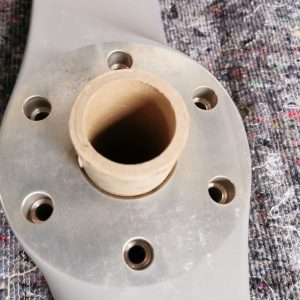
The Sensenich Propeller – P/N 74DM6-0-60
A Sensenich Propeller P/N 74DM6-0-60 may also be advertised as a Sensenich 74DM6 Propeller or 74DM6-0-60 Aircraft Propeller when every model character, suffix, serial marking, and alteration detail is stated accurately.
Fixed-pitch construction provides established blade geometry without a pilot-controlled in-flight pitch-change mechanism.
Whether buyers require a 74-Inch Aircraft Propeller, 60-Inch Pitch Propeller, Lycoming O-320 Propeller, or General Aviation Propeller, aircraft-specific applicability remains essential.
A Two-Blade Aircraft Propeller should be treated as one matched rotating assembly, while a Sensenich Aircraft Propeller should be identified through verified manufacturer markings.
Understanding the 74DM6-0-60 Model Number
A propeller should not be accepted as P/N 74DM6-0-60 solely because it resembles another Sensenich model shown in a catalog or online advertisement.
Original packaging can support the product history but Sensenich Fixed-Pitch Propeller does not replace inspection of the actual propeller.
Evaluating an Unused Sensenich Propeller
An unused propeller may still develop coating damage, corrosion, moisture exposure, scratches, dents, contamination, or packaging-related abrasion.
The propeller should be inspected even when it remains inside original packaging because temperature changes, condensation, impact, chemical exposure, and shifting during transport can affect condition.
How a Fixed-Pitch Aluminum Propeller Operates
A fixed-pitch propeller uses blade geometry manufactured or adjusted for a defined range of engine and aircraft operating conditions.
Professional verification supports responsible use of the Sensenich Fixed-Pitch Propeller.
Aluminum Aircraft Propeller Construction
Aluminum construction offers a durable and proven solution for many general aviation aircraft when the blades, hub, mounting surfaces, leading edges, tips, and protective finish remain within acceptable condition.
Responsible care supports the condition of the Aluminum Aircraft Propeller.
Avoiding Unverified Propeller Size Claims
Propeller diameter affects ground clearance, tip speed, engine loading, airframe clearance, and aerodynamic performance.
A difference between documented and measured dimensions should be investigated before installation.
Understanding the 60-Inch Pitch Propeller
Pitch influences theoretical forward movement, engine loading, achievable RPM, climb behavior, and cruise characteristics.
A blade-to-blade pitch difference can contribute to vibration, reduced efficiency, and unequal aerodynamic loading.
Lycoming O-320 Propeller Compatibility
The buyer should review current approved installation information before purchasing or mounting the propeller.
The engine and propeller combination must remain within applicable RPM and power limitations.
Two-Blade Aircraft Propeller Configuration
Blade comparison should include the faces, backs, roots, leading edges, trailing edges, tips, and hub transitions.
Storage supports should protect both blades without applying uneven pressure.
Inspecting the Propeller Mounting Area
Mounting holes should remain free from corrosion, damaged edges, contamination, improper machining, impact marks, and unexplained installation impressions.
A propeller-only listing may require additional hardware before installation can begin.
Inspecting Blade Tips and Trailing Edges
The depth, location, orientation, and extent of any defect affect the appropriate inspection or corrective action.
Unauthorized sanding, filing, blending, refinishing, or polishing should be avoided.
Identifying Moisture-Related Damage
A dry storage history can reduce corrosion risk but does not eliminate the need for inspection.
Periodic inspection can identify developing coating or environmental concerns.
Separating Certification from Current Condition
Certified design status does not automatically establish the present serviceability, airworthiness, or installation eligibility of an individual propeller.
All documents should remain permanently associated with the correct physical propeller.
Reviewing Purchase and Storage Records
Conflicting or incomplete identification should be resolved before payment or installation.
Records should remain protected from alteration, moisture, loss, and separation from the propeller.
Aircraft Propeller Condition Review
A pre-purchase review should confirm the complete model, serial number, diameter, pitch, blade count, hub configuration, mounting pattern, manufacturing information, storage history, physical condition, applicability, and documentation.
- Confirm P/N 74DM6-0-60, the complete serial number, manufacturer markings, 74-inch diameter, 60-inch pitch, blade count, hub dimensions, bolt pattern, and original configuration.
- Review the history for trial fitment, dropped handling, transportation impact, moisture exposure, chemical contamination, improper storage, or unauthorized repair.
- Confirm the sales invoice, payment protection, packaging method, freight insurance, inspection period, return terms, and stated propeller condition.
Safe Freight Handling Procedures
Professional packaging helps preserve the never-installed condition.
The shipping crate should identify appropriate lifting and handling points so carriers do not use the propeller blades as handles.
Maintaining Packaging and Identification
Storage supports should avoid concentrating weight on blade tips, edges, or thin blade surfaces.
Preservation materials should be removed using appropriate procedures before inspection or installation.
Mounting the Replacement Aircraft Propeller
Professional installation protects the propeller, engine, and airframe.
Fasteners should be tightened and secured according to applicable procedures, torque values, and tightening sequences.
Dynamic balance may be considered after mechanical condition and correct installation are confirmed.
Protecting Long-Term Propeller Condition
Cleaning should use suitable materials and methods that do not attack aluminum, coatings, markings, or data plates.
Maintenance records should identify inspection findings, measurements, corrective action, parts, dates, and personnel involved.
Commercial Value of a New Sensenich Propeller
Propellers with clear photographs, complete records, transparent storage history, and verified condition are easier for professional buyers to evaluate.
Buyers should compare complete and documented propeller packages rather than price alone.
Final Thoughts on the Sensenich 74DM6 Propeller
The Sensenich Propeller – P/N 74DM6-0-60
The unit should not be judged solely through original packaging, clean factory paint, new wording, never-installed status, or purchase price.
Whether the requirement is a Sensenich Propeller P/N 74DM6-0-60, Sensenich 74DM6 Propeller, or 74DM6-0-60 Aircraft Propeller, exact identification should guide the purchase.
With verified identity, suitable dimensions, documented storage, acceptable physical condition, professional installation, and routine maintenance, the propeller can provide dependable long-term value.